
Debunking common gambling myths What you need to know
Debunking common gambling myths What you need to know
The Gambler’s Fallacy
One of the most pervasive myths in gambling is the gambler’s fallacy, which suggests that past events influence future outcomes in independent events. For example, a player might believe that if a roulette wheel has landed on red several times in a row, black is now ‘due.’ This misconception can lead players to make poor betting decisions, ultimately impacting their overall gaming experience. To navigate this confusion, many seek out slots not on gamstop as a way to explore different gaming environments.
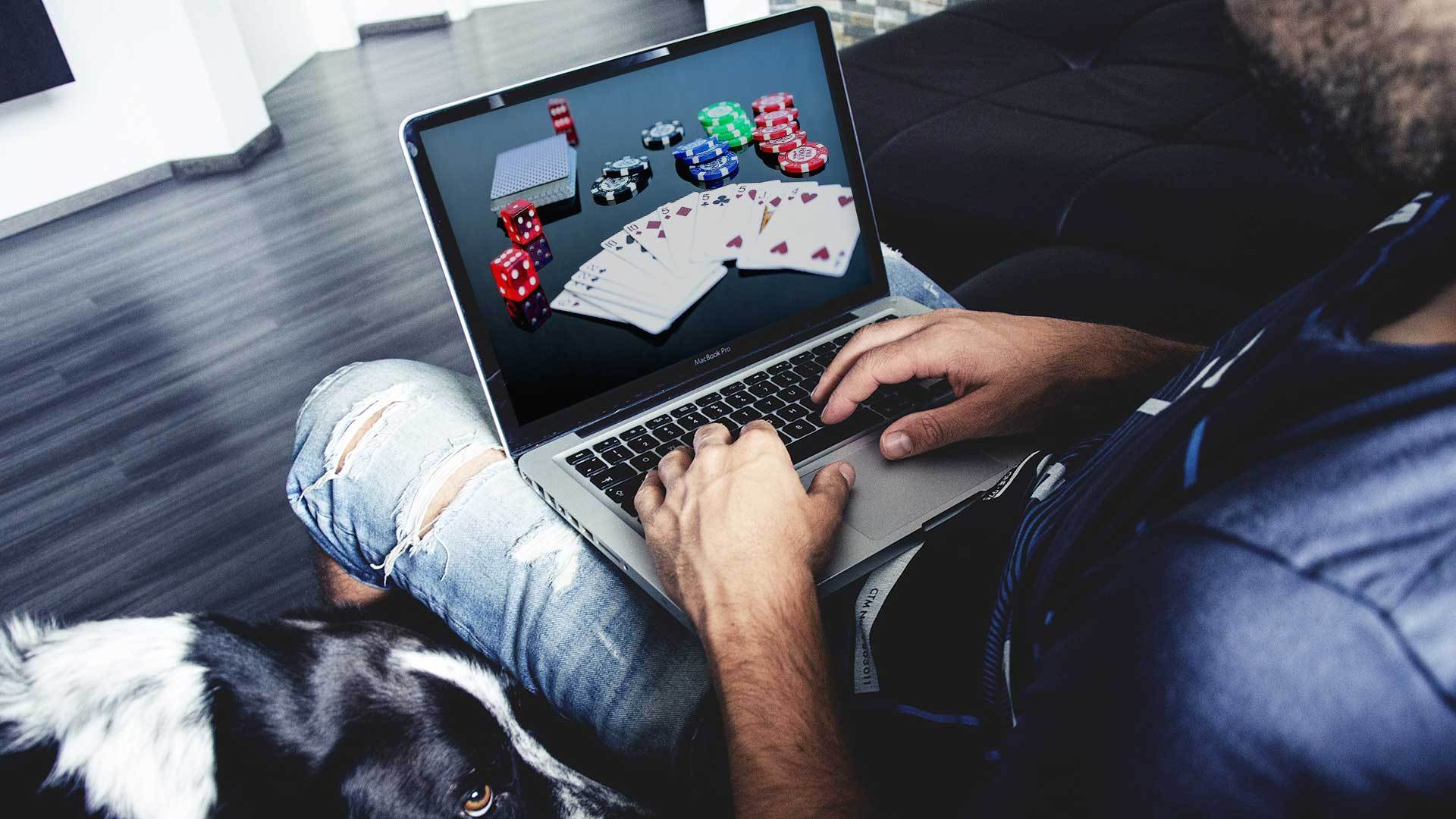
Understanding the odds in games of chance is crucial. Each spin of the roulette wheel, roll of the dice, or hand of cards is an independent event, unaffected by previous outcomes. Recognizing this truth can help gamblers make more informed choices and avoid falling into the trap of irrational thinking.
Luck vs. Skill
Another common myth is the belief that gambling is purely based on luck, dismissing the significant role that skill can play in many games. While games like slots and roulette are entirely luck-based, others like poker and blackjack require strategic thinking and skillful play. Players who invest time in learning the nuances of these games often find greater success.
This myth can discourage individuals from engaging with skill-based games, resulting in missed opportunities for both enjoyment and potential winnings. Emphasizing the importance of learning and practicing can enhance one’s overall gambling experience and success rate.
The Myth of “Hot” and “Cold” Machines
The idea that certain slot machines are “hot” or “cold” is another prevalent myth in gambling circles. Players often believe that if a machine has not paid out recently, it is ‘cold’ and unlikely to hit soon. Conversely, a machine that has just paid out is considered ‘hot.’ This belief can lead players to make impulsive decisions based on superstition rather than logic.
In reality, each slot machine operates on a random number generator, meaning outcomes are entirely random and independent. Understanding this can help players make decisions based on facts rather than emotions, leading to a healthier approach to gaming.
Gambling and Addiction
Many people believe that gambling addiction is solely a result of a lack of self-control. While personal responsibility does play a role, gambling addiction is a complex issue influenced by psychological factors and environmental triggers. Many individuals may start gambling as a form of entertainment, but it can evolve into a serious problem if not monitored.
Recognizing the signs of gambling addiction is essential for both players and their loved ones. Support systems and resources are available to help those affected by gambling problems, highlighting the need for awareness and education on this topic.

More About This Website
This website serves as a valuable resource for individuals seeking to understand gambling myths and their psychological impacts. By providing accurate information, it aims to debunk common misconceptions and promote responsible gambling practices.
Users can access insightful articles and resources that encourage a well-rounded understanding of gambling behaviors. The website is dedicated to fostering a safe and informed environment for all visitors, ensuring that they can enjoy gambling responsibly.


About Post Author